

Specialist Safety Range Unveiled by Ansell
Specialist Safety Range Unveiled by Ansell – Robust collection delivers optimum lighting levels whilst ensuring safety of those at risk

It is important to regularly check that any electrical equipment which you use is safely maintained. The UK’s electrical safety experts, Electrical Safety First, found that there were 1,665 fatalities and injuries caused as a result of electrical fires during 2015/16 across England and Wales. The organisation also found that there were another 598 casualties and nine fatalities caused by electrical fires throughout Scotland in just 2016.
Acorn Stairlifts covers the laws in place when it comes to maintaining electrical equipment, the checks you can carry out to ensure devices are safe to use, and the steps you must take if you have concerns about any gadgets.
As a requirement found within the Electricity at Work Regulations 1989, all electrical equipment should be maintained (so far as reasonably practicable) to prevent danger. Both portable equipment and installations are covered here, while the phrase ‘so far as reasonably practicable’ means that you are not required to remove every risk, but do everything expected to protect people from harm.
Be aware: this law does not detail how you must go about maintaining electrical equipment or how frequently. However, you can determine the level of maintenance which is needed by considering the risk which will be attached to the gadget becoming faulty. For instance, will the level of risk increase if an item that becomes faulty, meaning that it’s no longer suitable for the job? Or, is it being operated in a harsh environment?

How frequently you maintain electrical equipment will also change from one item to the next. Stairlifts manufacturer Acorn Stairlifts states in its guide on caring for a stairlift that stairlift servicing should be performed at least once a year, for example, as this will help to prevent any serious problems from developing and also prolong the life of the equipment.
In general though, the Health and Safety Executive (HSE) states: “Electrical installations should be tested often enough that there is little chance of deterioration leading to danger. Any part of an installation that has become obviously defective between tests should be de-energised until the fault can be fixed.”
You’ll receive the most reassurance that electrical equipment is safe to use if you have it inspected and tested by an individual who has the competence to carry out the work. Electrical Safety First has a great resource for finding a registered electrician in your area who is part of a government-approved scheme.
There are a few suitable checks that you can carry out on the devices yourself though, such as a simple visual inspection. Here’s how to go about undertaking this particular check:
On the topic of checking electrical equipment, the HSE has also pointed out: “Checks should be carried out often enough to ensure there is little chance the equipment will become unsafe between checks.
“It is good practice to make a decision on how often each piece of equipment should be checked, write this down, make sure checks are carried out accordingly and write down the results. You should change how often you carry out checks, according to the number and severity of faults found.”
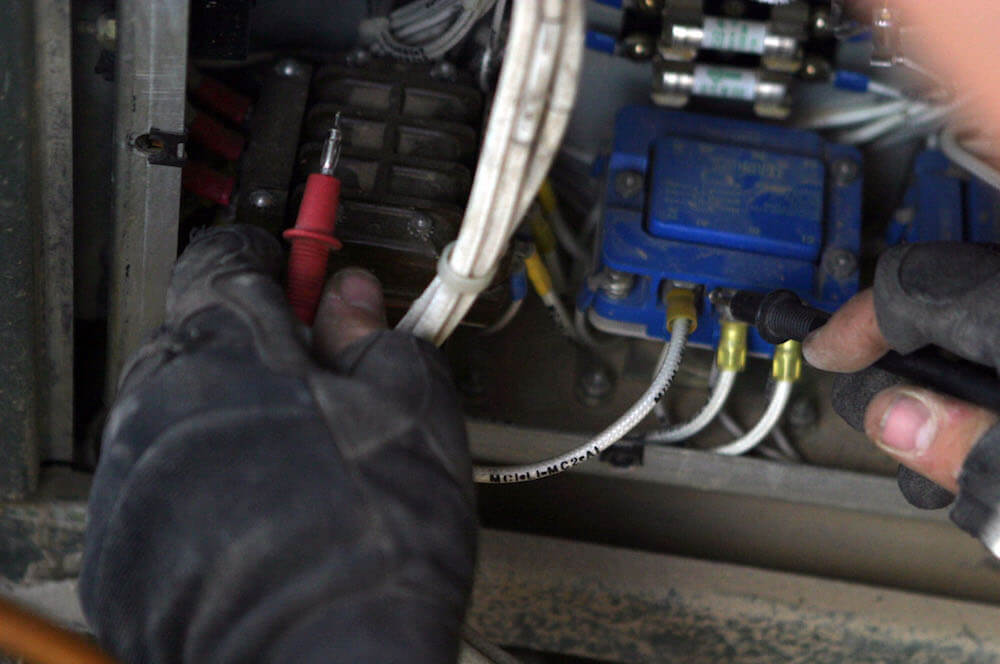
If you have concerns about the safety of any electrical equipment, it’s important that you instantly act to prevent the device from being used by anyone. Aim to switch off the gadget as well, but only if it’s safe to do so.
From there, seek out help from a competent person so that they can carry out a more thorough check. Approved contractors are available from ECA, NAPIT, NICEIC or SELECT.
If the electrical equipment that you’re concerned about isn’t owned by you or under your control, you should take the necessary steps to discover who actually owns the device and then contact them about the issues encountered. A contact telephone number is often attached to electrical distribution poles, pylons and equipment, for instance, though you can also get in touch with the HSE or a local authority for assistance.
Previous SPARKS Blogs
The benefits of hiring apprentices
CPD in the electrical industry
What to do if you are struggling to afford tools
How electricians can become smart installers
How to promote your business locally
Apprenticeship Recruitment, are you getting it right?
Legal status and qualifications
Cable strapping and good workmanship
The Big Renewable Power Charge!
Get smart – hire an apprentice
I’m Reg and I’m here to help you!
EV Charging and the 18th Edition
Specialist Safety Range Unveiled by Ansell – Robust collection delivers optimum lighting levels whilst ensuring safety of those at risk
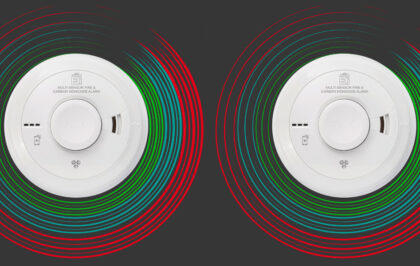
Introducing the newest innovation in Multi-Sensor alarms from Aico, the Ei3030 Multi-Sensor Fire and Carbon Monoxide (CO) alarm.
Over a year on from the launch of the reporting tool for unsafe and non-compliant electrical work, following a unique collaboration by the Electrical Safety Roundtable (ESR) and TrustMark, the results continue to highlight electrical safety concerns in the owner-occupied sector.

The Renting Homes Fitness for Human Habitation Regulations in Wales comes into effect on 1st December 2022 for all new social and private rented tenancies and a year later for existing tenancies
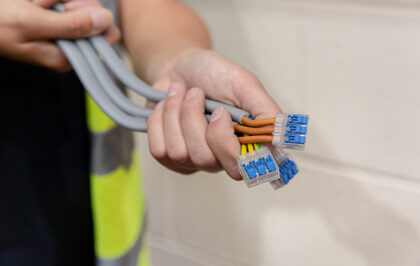
Brett Smyth, General Manager EMEA of IDEAL Industries, discusses the benefits of the company’s Gen II Lever Wire Connectors for faster, easier and safer electrical wire terminations when installing gas boilers.

In the final part of our series with Marshall-Tufflex, Jeremy Dodge, Head of Marketing & Commercial Services at the company looks at the environmental standards and certifications that you should look for when selecting cable management products to ensure the environmental impact of the installation and project as a whole is minimised.