
Getting the right insurance for you

When you’re considering different types of insurance and weighing the costs, it can be hard to tell what is absolutely needed. Coverage levels and prices vary widely, and shopping around for the best deal can take forever.
Consumer researchers at NimbleFins have analysed the insurance market for electricians, and here’s what they found.
Electricians need insurance – that much is clear. While many types of insurance are not legally required, operating without proper coverage can result in severe financial loss if disaster strikes. And accidents do happen, no matter how careful you are.
What insurance do electricians really need?
Public Liability
Public Liability is a very common form of insurance for electricians, and for good reason. Although having Public Liability isn’t a legal requirement, it is widely considered a necessity for working in the profession. It protects you in case any damages or injuries occur involving members of the public such as clients or passers-by. And some clients won’t hire you without a valid policy in place.
Tools and Equipment Cover
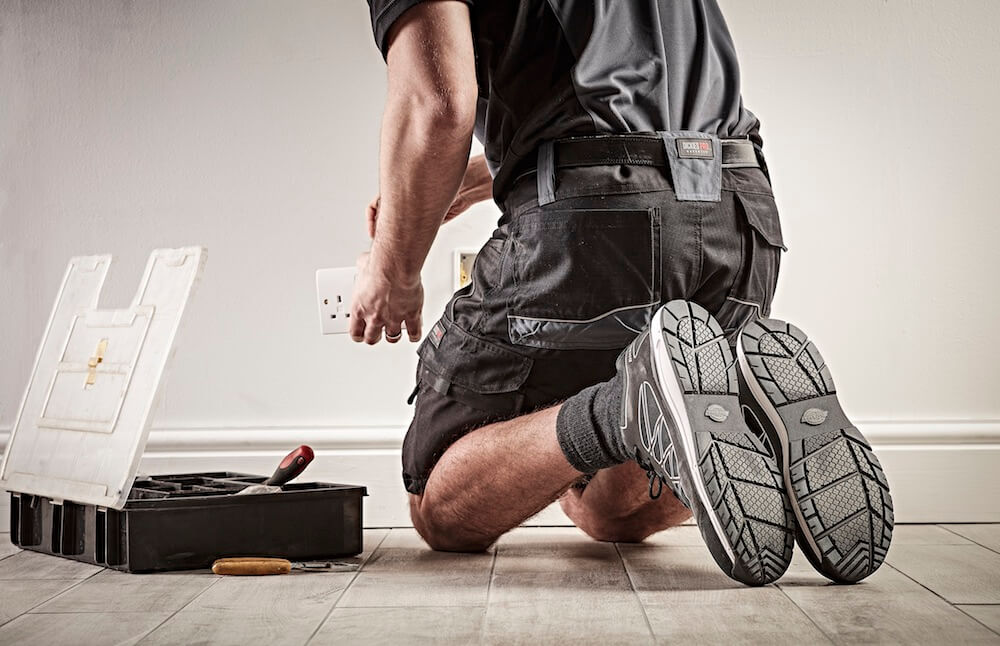
Another must-have insurance is Tools and Equipment Cover. Again, it’s not required by law, but if you depend on expensive equipment to carry out your job, you’ll want to have it covered. Electricians are the hardest hit by tool thefts, which cost them an average of £1,401 per year. Equipment Cover protects you from losses if your tools get stolen or damaged.
Employers’ Liability and Vehicle Insurance
If you have staff working for you, Employers’ Liability is nearly always a legal requirement.
You’ll also need sufficient insurance coverage for the vehicle you use for work, whether that’s a private car or a business van. Surveys show one in three electrical businesses have had a vehicle stolen, making the importance of vehicle insurance obvious – and not just the minimum third party only (TPO) cover. Only a Third Party, Fire & Theft (TPFT) or a Comprehensive policy will protect against theft.
If you’re driving a private car to visit clients or between multiple work locations, make sure to declare ‘business use’ on your car insurance or your policy could be deemed invalid, leaving you uninsured.

Professional Indemnity
Finally, if you’re working on high-cost or complex projects, you may want to consider professional indemnity insurance. It will cover you in case a mistake or miscommunication happens, and an unhappy client claims your professional advice was negligent and sues you for the cost of getting the work redone.
How much it costs and how to save
Electricians in the UK can expect to pay as little as £85 for basic Public Liability coverage, but once you add in other coverages like tools, employers’ liability and even personal accident cover your insurance costs can skyrocket.
For example, a sample electrician with a larger business and a team of five employees could pay closer to £1,500 once you factor in employers’ liability insurance. However, prices can vary a lot depending on factors like what’s involved in your job, how experienced you are, and which area you’re operating in. The more risk there is, the more you can expect to pay.
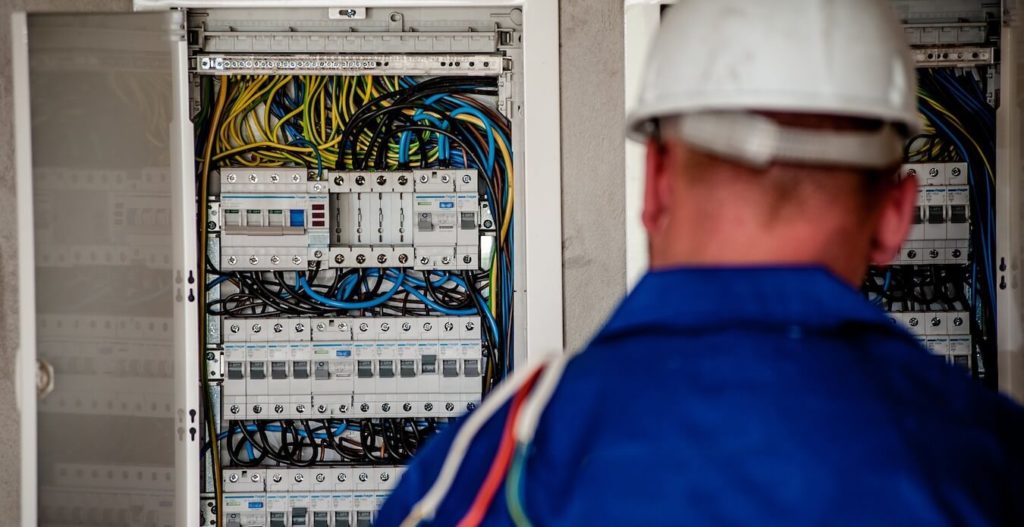
When you’re just setting up as an electrician, you can save money by thinking through the risk factors, and choosing your services accordingly.
For example, it’s more expensive to get insured for work on commercial locations than domestic locations due to the additional risks (higher value of property, more complex electrical set-up).
Similarly, offering advice, design or electrical certification can bring the need for Professional Indemnity coverage.
Of course, you can’t avoid all kinds of risk. But it’s worth adding the insurance costs to the equation when weighing up the pluses and minuses of a new venture.
You can also save on insurance by opting for an annual rather than a monthly payment.
Before settling for an offer, get multiple quotes to compare because prices tend to vary considerably between providers.