

SPARKS Learner of the Year 2025 Winner Announced
We are pleased to announce Frankie McCall from South Hampshire College Group and JTL Training as our SPARKS Learner of the Year 2025 Winner!
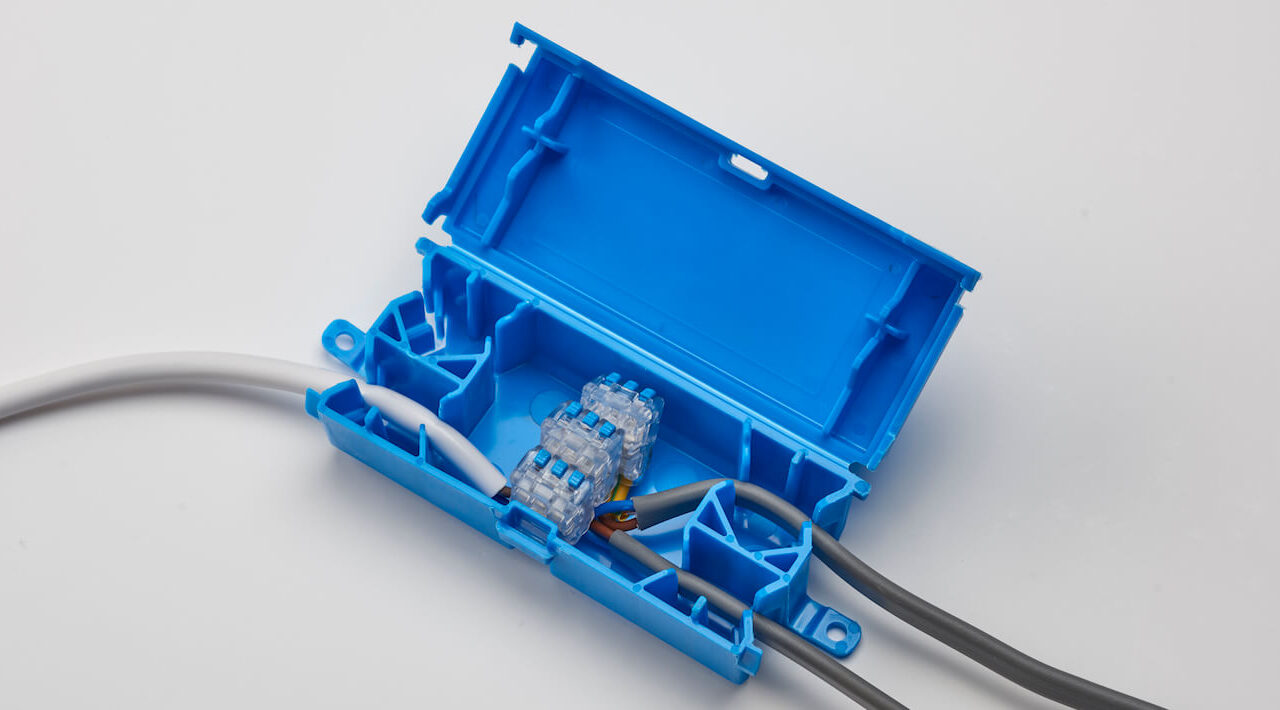
The old saying ‘if it ain’t broke, don’t fix it’ is a mantra many electrical contractors live by, continuing to use the tried-and-tested products and installation methods they’ve used for years because they do the job.
There’s a lot to be said for familiarity; but there are also benefits to embracing new techniques that offer a faster, easier, safer and more consistent installation.
One seemingly small but hugely impactful switch that many electricians have already made is to convert from using terminal strips to using lever or push-in connectors. While the unit price of these connectors may be slightly more than terminal strips, the time savings they offer easily offset the minimal additional costs.

What’s more, for many electrical professionals, the peace of mind that comes with knowing that connectors remove any inconsistency associated with the tightening of terminal strip screws also adds to that value-led rationale for selecting connectors.
Firstly, lever and push-in ensure that installations are consistently safe and compliant with current wiring regulations.
The 18th Edition requires that traditional terminal strip connections should be accessible for annual inspections in compliance with BS EN 60670-22 which makes it difficult to select a suitable location for terminal strip connections, leading to non-compliance for many projects.
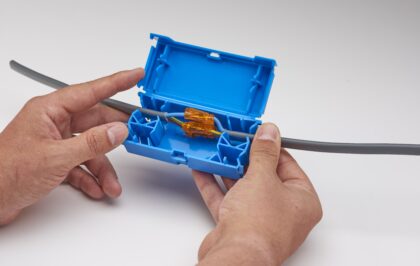
Lever and push-in connectors are classified as maintenance-free when used in conjunction with an approved enclosure box, so can be part of a compliant installation anywhere within the property.
Secondly, using connectors rather than terminal strips ensures every connection is consistent because there is no variation in the tightening of the fixing screw that fastens the cable in place. Ideal Industries’ connectors even include a stripping guide on the side to aid consistently-accurate stripping of the cable prior to connection and a CPC port for relevant testing.
While speed and consistency of terminal strip installations grow with experience, connectors remove any margin for error, even for inexperienced electricians who are still training.
We are pleased to announce Frankie McCall from South Hampshire College Group and JTL Training as our SPARKS Learner of the Year 2025 Winner!

SPARKS Learner of the Year 2025 is underway- SPARKS will visit 6 UK regions as 10 students compete in a practical test to determine the finalists.
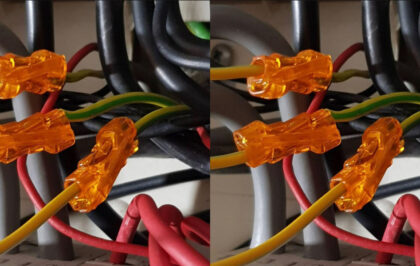
IDEAL Industries – the world’s best-selling in-line wire connector – sign up for a sample pack
SpliceLine in-line wire connector – the perfect choice for lengthening wires
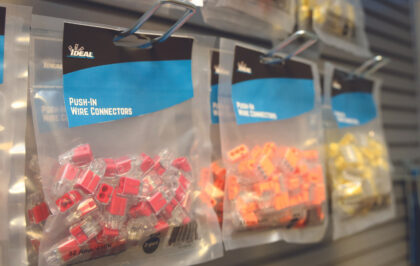
The IDEAL range of wire connector bags have been designed for electrical contractors, plumbers and heating engineers that may not require the quantities found in our popular boxes, but still have the occasional requirement for our key range of electrical wire connectors.
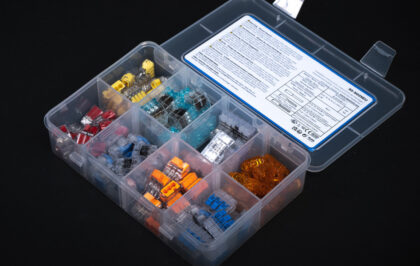
IDEAL Industries’ range of popular wire connector kits also include the new Gen II lever wire connectors which are ideal for applications up to 32A providing a versatile solution suitable for joining solid, stranded or flexible conductors.
IDEAL Industries is continuing to show its longstanding support for SPARKS’ Learner of the Year competition by sponsoring the initiative for the second year in a row.