

Three Top Tips for Building Your Professional Social Media Presence
Three Top Tips for Building Your Professional Social Media Presence: Showcase your skills, grow your network and get noticed!
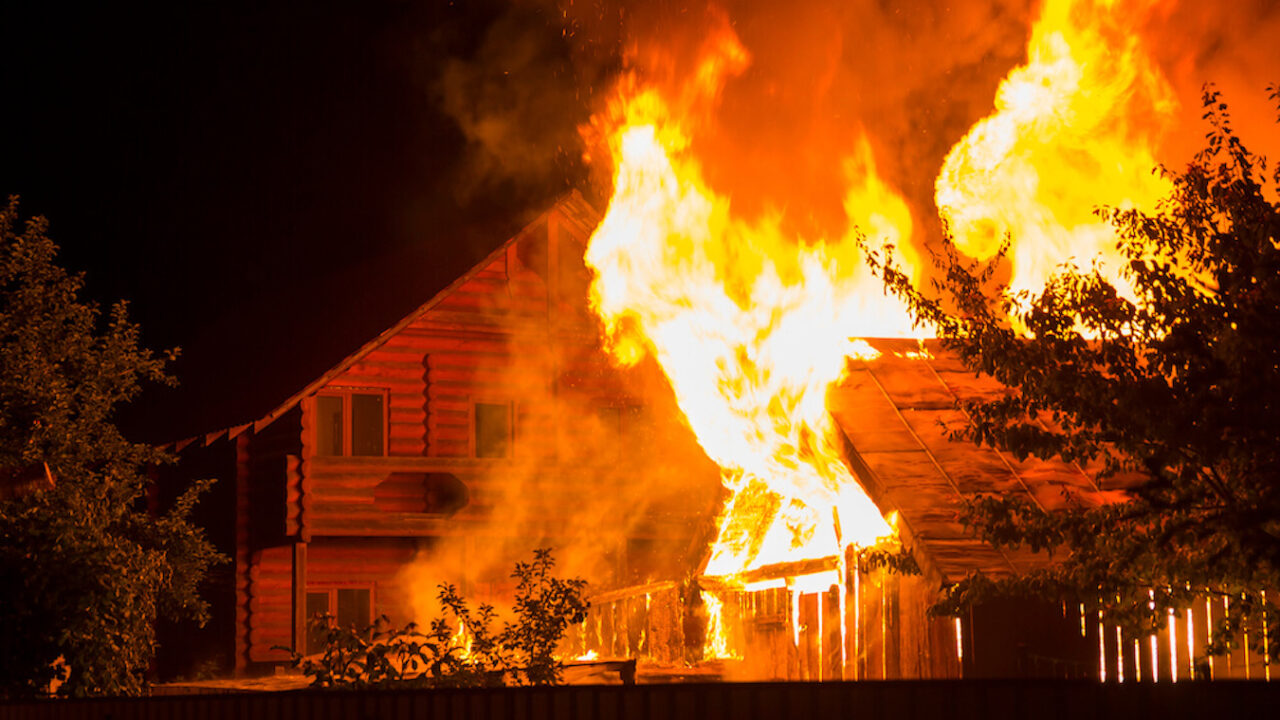
The government has committed to new legislation that will require electrical installations in the private rented sector to be inspected and tested at least every five years. Landlords will need to hire qualified electricians to carry out this work. And will face fines of up to £30,000 for non-compliance.
Prevention is the best cure and this legislation will ensure that safety is upheld by landlords. When it comes to fires, much attention has been given to building design, rules and procedures to ensure property and staff are protected once the fire has started. But by that stage, it is already too late for most properties.
Fire directly endangers life and property. It’s not enough to have a fire response plan – it is necessary to have a comprehensive fire prevention strategy that utilises the latest technologies for fast detection and rapid response.
A fire can spring from many sources. Current standards do a good job of ensuring properties are properly defended against fires created by overcurrent caused by overloads and short circuits.
But electrical fires can also result from mistakes made during the installation process. Namely loose cabling or aging circuits that will not be detected by overcurrent protection. Defective or worn insulation is the cause of 14% of all electrical fires in buildings.
The danger of landlords only performing the bare minimum to protect their buildings is that, should a fire start from a source they haven’t accounted for, the loss and disruption could be devastating.
For maximum protection, individuals need reliable, innovative products that exceed minimum standards to prevent a fire from starting in the first place. The pending legislation will add to this safety from the start. It will require landlords to use qualified electricians when installing, repairing and maintaining systems. This will benefit both landlords and tenants by mitigating electrical issues.
The risk of cable insulation faults grows over time and the consequences can be severe. Low-intensity arc faults are more likely to occur in humid, dusty environments, causing injury and deadly fires if precautions aren’t taken. Protection against insulation faults within cables can be assured by residual current devices (RCD), which are triggered by earth leakage currents exceeding 300mA.

Additionally, final circuits in critical locations (as recommended in IEC 60364), should be protected by an arc fault detection device (AFDD). This is a circuit breaker that automatically cuts off the electricity supply when it detects an arc fault in the circuit. By immediately stopping the supply, AFDDs stop arc faults from reaching temperatures where fires can break out.
The announcement also represents an opportunity for electricians to get more work and grow their skills. Moving forward, we expect to see more electricians securing long-running contracts with landlords, across multiple properties to meet the ongoing demand. This will go hand-in-hand with ensuring tenants feel safe where they live.
Fire is never an inevitability. When you follow the right approach to electrical fire prevention with the best tools, a fire can be put out before it even has a chance to begin. The government announcement is a great first step in improving safety standards across the entire sector and ensuring all properties receive the qualified attention they require.
Three Top Tips for Building Your Professional Social Media Presence: Showcase your skills, grow your network and get noticed!

SPARKS Competitions: Discover how entering could showcase your electrical skills, boost your confidence and open doors to new opportunities!
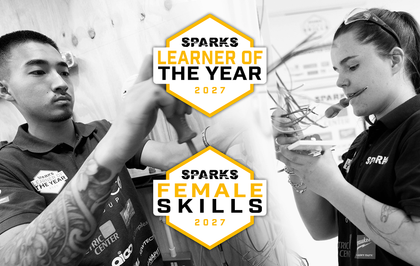
The prestigious SPARKS Learner of the Year competition is gearing up for its eighteenth year, alongside the inspiring SPARKS Female Skills Competition – and applications are now officially open!

We’re delighted to reveal that the SPARKS Learner of the Year 2026 is Samuel Stevely of HRUC Uxbridge!
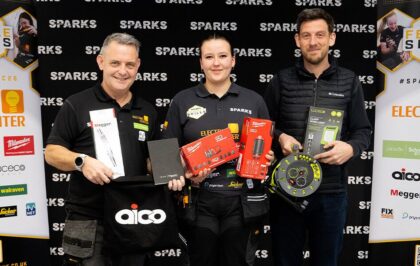
SPARKS Female Skills Competition 2026 is back! Over the coming weeks, SPARKS will travel across the UK to discover the best upcoming talent.

We are delighted to announce the winner of the SPARKS Female Skills 2026 – congratulations to Poppy Lott from Bridgwater College!