

Carhartt Women’s Steel Pants Launched
Carhartt’s new women’s Steel Pants have been designed around how women actually move and work on site rather than simply resizing men’s.
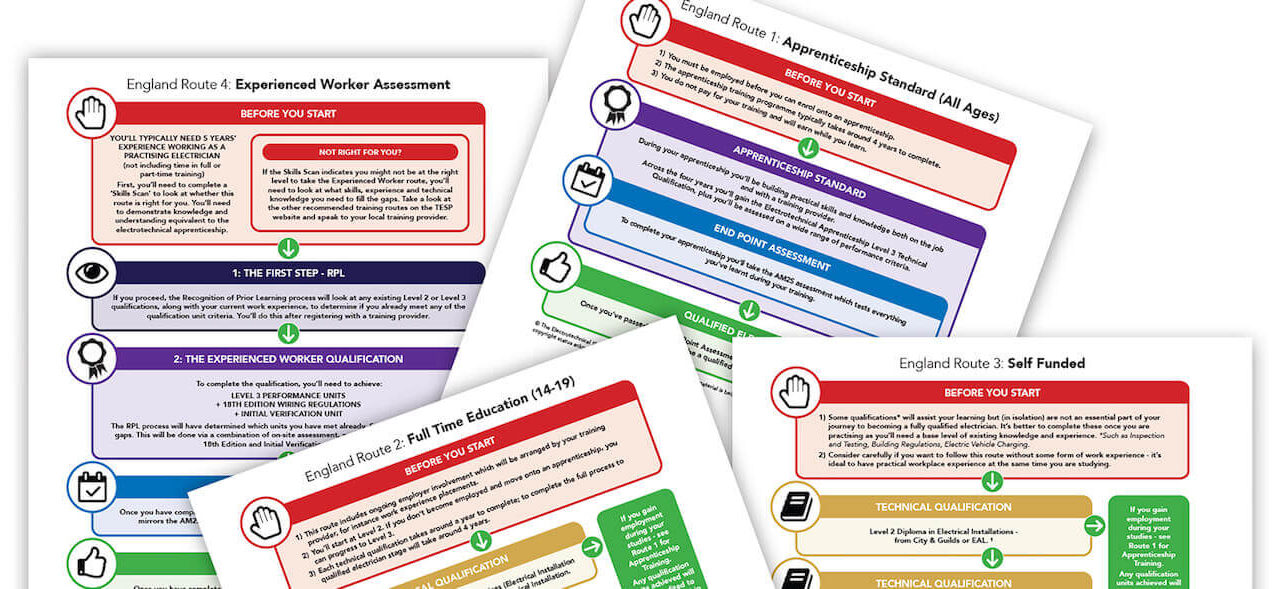
With more than 170,000 UK redundancies made to date by businesses affected by COVID-19, TESP hopes these routes will help individuals make informed decisions about how to spend their time and money to re-train – as there are many electrical qualifications on offer, but not all provide the skills needed by employers.
Hosted on the Electrical Careers website, the routes – which are available for England but will soon cover the rest of the UK – are also designed to educate school leavers and those looking to upskill within the industry.
The advice given to all is that an apprenticeship is the preferred route into the industry, as it provides the essential work-based experience needed to develop knowledge, skills and competence over a period of time.
Traditionally seen as only suitable for young people, in England employers can now access funding for apprentices of any age. Between August 2020 and January 2021, businesses can also receive an incentive payment of up to £3,000 per apprentice, in a move intended to drive apprenticeship recruitment.
Recognising that not everyone will be able to secure an apprenticeship place, alternative routes are given for those eligible for Further Education funding and also those looking to fund their own skills development, such as career changers or re-trainers.
Importantly, the routes clearly stress that becoming a fully qualified electrician can only be achieved with valid on-site work experience, as opposed to courses that offer no ‘real world’ practical skills.
With these routes now providing clear guidance on recommended electrical training and qualifications, TESP suggests this approach could be replicated in other industries to help everyone considering construction and built environment careers.
“These routes aim to reduce the confusion around electrical training and promote what is valued by employers and will ultimately lead to qualified status,” said Ruth Devine, Chair of TESP and Managing Director of SJD Electrical.
“I, and many others, have countless experiences with people that have invested in training, only to struggle finding worthwhile employment as an electrician because their qualifications aren’t recognised. We need to send a clear message to individuals and careers advisers on the right ways to join the industry, progress and embed the skills and judgement that comes with work-based learning and experience.
“We welcome the steps taken by some providers to improve the clarity of their communication and encourage others to review their offering and make use of the TESP material to support employers to recruit more effectively at the level they need.”
Carhartt’s new women’s Steel Pants have been designed around how women actually move and work on site rather than simply resizing men’s.

We’re delighted to reveal that the SPARKS Learner of the Year 2026 is Samuel Stevely of HRUC Uxbridge!
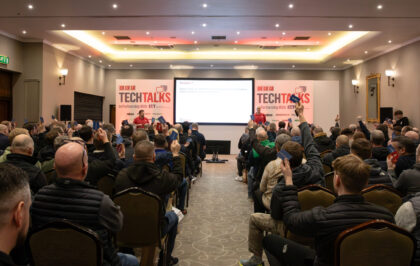
Electrical distributor CEF has announced that registrations are now open for its latest TechTalks series, running from May to July 2026.
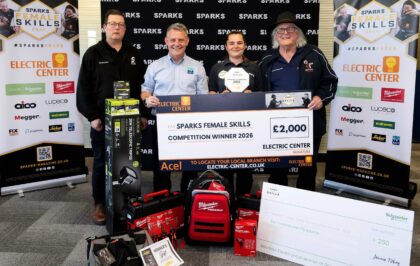
We are delighted to announce the winner of the SPARKS Female Skills 2026 – congratulations to Poppy Lott from Bridgwater College!
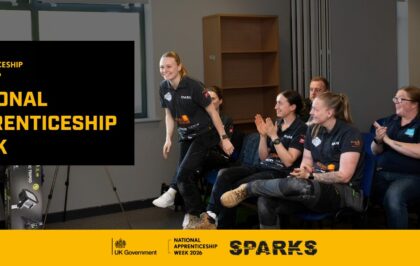
NAW 2026 (National Apprenticeship Week) kicks off on Monday the 9th of February, and at SPARKS Magazine, we’ll be celebrating all week!

Carhartt announces its 2025 NexGen Ambassadors, featuring former SPARKS Learner of the Year and Female Skills Competition competitors.