
Applications open for SPARKS LOY & FSC 2027
The prestigious SPARKS Learner of the Year competition is gearing up for its eighteenth year, alongside the inspiring SPARKS Female Skills Competition – and applications are now officially open!
What was the industry like when you got into it?
There were less specialists in the 1960s and fewer companies. Now the industry is much more competitive and open and accessible as a career option.
How did your career journey progress?
I began as a craft apprentice and then moved to the technician courses, completing my full technological certificate with distinction. While working as an engineer I continued to study at night and weekends, completing an open university course and then part-time master’s degrees.
What are the most remarkable changes you’ve seen over your time?
The value of apprenticeships to society has increased and there is a changing view of the need for training, which is very healthy. The wide range of apprenticeships and graduate apprenticeships are helping the understanding that young people can achieve success without gathering a huge debt, and professional bodies such as the IET have shown a positive route for career progression.
More flexible means of study and assessment can provide outstanding results from innovative programmes. The functional skills units in the apprenticeship also further the basic mathematics and English of apprenticeships where gaps may result from a poor school experience.
Why are you so passionate about apprenticeships?
I am a great believer in social mobility and providing opportunities for young people regardless of their financial position. Apprenticeships can lead to further qualifications, as with our own business where our health and safety director, having studied as an electrical apprentice, is just completing his master’s degree. Our company’s directors and senior managers all started as apprentices and this gives them the confidence to work with our staff at all levels.

How did the MBE come about – and what was it for?
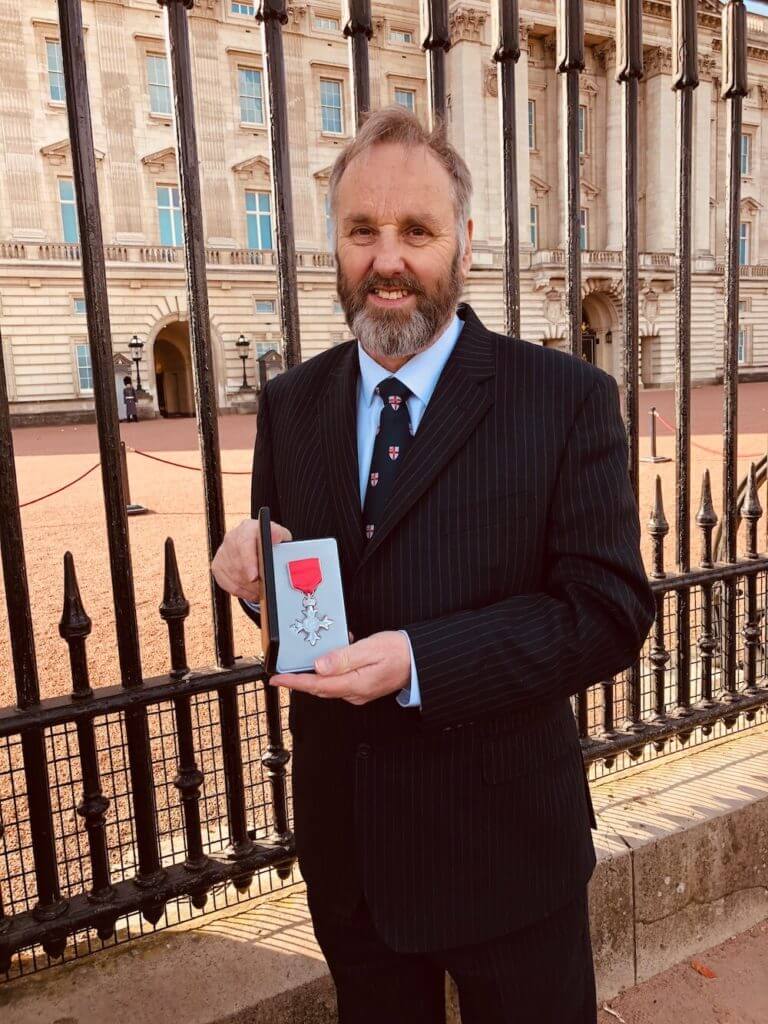
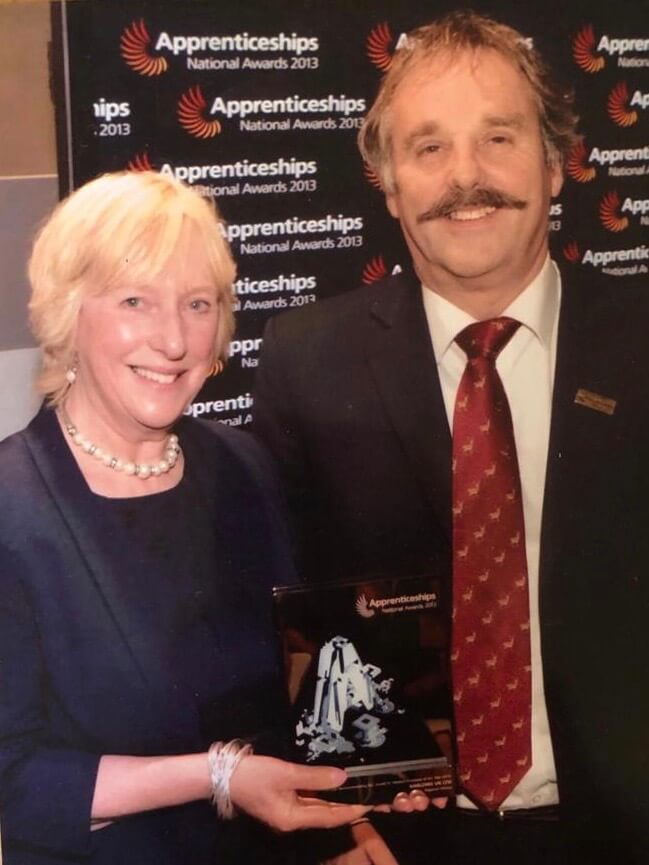
My MBE was awarded for championing apprenticeships, both through my business and within the business community. I have been involved for many years in speaking to businesses about giving apprenticeships to young people and the benefits of bonding them to their own organisations’ culture.
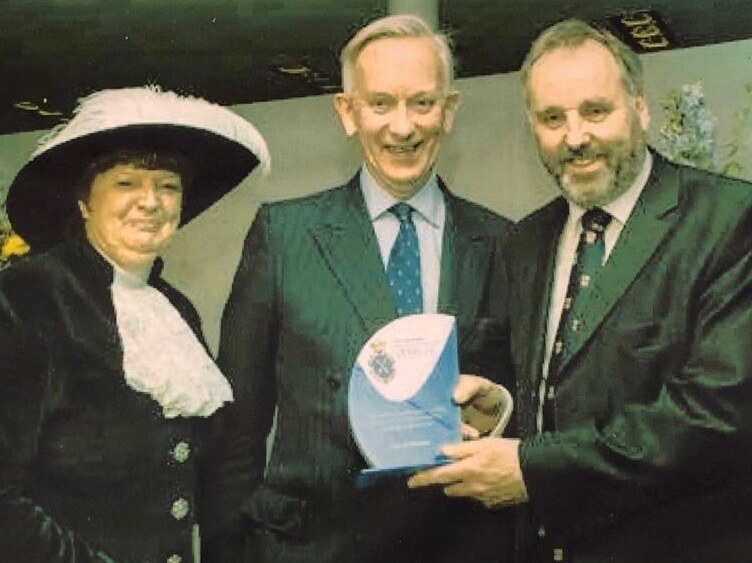
Attending training and business meetings has allowed me to interact with other organisations and show the results of our company’s training, where the growth to 500 staff has been through apprenticeships. I began, and continue to support, the Cheshire and Warrington Apprentice of the Year Award to promote apprenticeships across the region. I have built relationships with companies and encouraged them to get involved in the apprenticeship movement.
What’s your favourite part about the industry?
My favourite part is meeting an engineer who is enjoying a successful future and knowing that I, in some small way, helped them along the journey.
The prestigious SPARKS Learner of the Year competition is gearing up for its eighteenth year, alongside the inspiring SPARKS Female Skills Competition – and applications are now officially open!
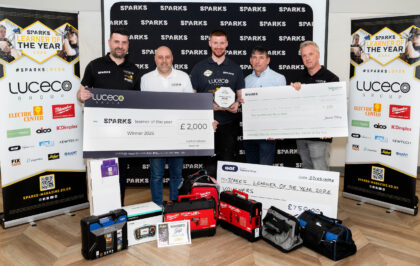
We’re delighted to reveal that the SPARKS Learner of the Year 2026 is Samuel Stevely of HRUC Uxbridge!
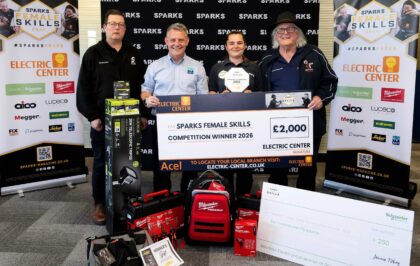
We are delighted to announce the winner of the SPARKS Female Skills 2026 – congratulations to Poppy Lott from Bridgwater College!
Three Top Tips for Building Your Professional Social Media Presence: Showcase your skills, grow your network and get noticed!
SPARKS Competitions: Discover how entering could showcase your electrical skills, boost your confidence and open doors to new opportunities!

Carhartt’s new women’s Steel Pants have been designed around how women actually move and work on site rather than simply resizing men’s.
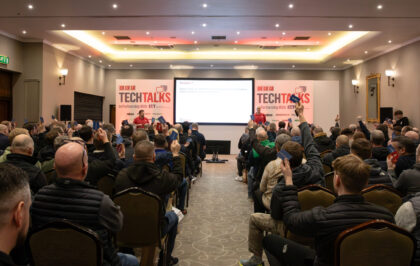
Electrical distributor CEF has announced that registrations are now open for its latest TechTalks series, running from May to July 2026.